Complete Guide to Semi-Automatic Espresso Machines
Introduction: What Makes Semi-Automatic Espresso Machines Unique?
Semi-automatic espresso machines offer a satisfying mix of hands-on control and automated convenience, making them a favorite among coffee lovers who enjoy customizing their brew. Unlike manual machines that require full user involvement or fully automatic models that handle everything for you, these machines let you fine-tune key elements like grind size, shot timing, and milk frothing. Meanwhile, they take care of water pressure and temperature, so you don’t have to worry about those technical details.
If you’re someone who values quality over sheer convenience, a semi-automatic machine can bring the café experience right into your kitchen. The process of grinding, tamping, and pulling a shot turns coffee-making into a ritual—one that’s as rewarding as the espresso itself. It’s a tactile, immersive experience that adds a personal touch to your daily brew.
. Classic Evo Pro Semi-Automatic review
Types of Semi-Automatic Espresso Machines
Choosing the right semi-automatic espresso machine starts with understanding its core components. Different configurations offer varying benefits depending on your preferences and kitchen setup.
Boiler Materials and Construction
One key feature to look for is the boiler material. High-end machines often use brass boilers, which are excellent at retaining heat. This ensures consistent brewing temperatures and enhances the machine’s longevity. For espresso, where temperature stability is critical to extracting rich flavors, brass is a standout choice. When I upgraded from an aluminum boiler to a brass one, the difference was night and day—no more uneven shots or unexpected bitterness.
Group Heads and Pressure Systems
The group head and pressure system are the heart of any espresso machine. Brass group heads combined with solenoid valves maintain the ideal 9-bar pressure needed for smooth, balanced extractions. These components ensure your espresso is flavorful and free from unpleasant sour or bitter notes. And there’s something oddly satisfying about the gentle hiss of the solenoid valve releasing pressure after a perfect shot—it’s like a little victory signal.
Compact vs. Full-Size Models
Compact machines are great for small kitchens, offering space efficiency without skimping on performance. Full-size models, then again, provide extra features and larger capacities but take up more counter space. If you’re working with limited room, a compact design with a smart workflow can make all the difference. I once made the mistake of buying a full-size machine without measuring my counter space—it ended up dominating my kitchen and left me scrambling to reorganize. Lesson learned: always measure first!
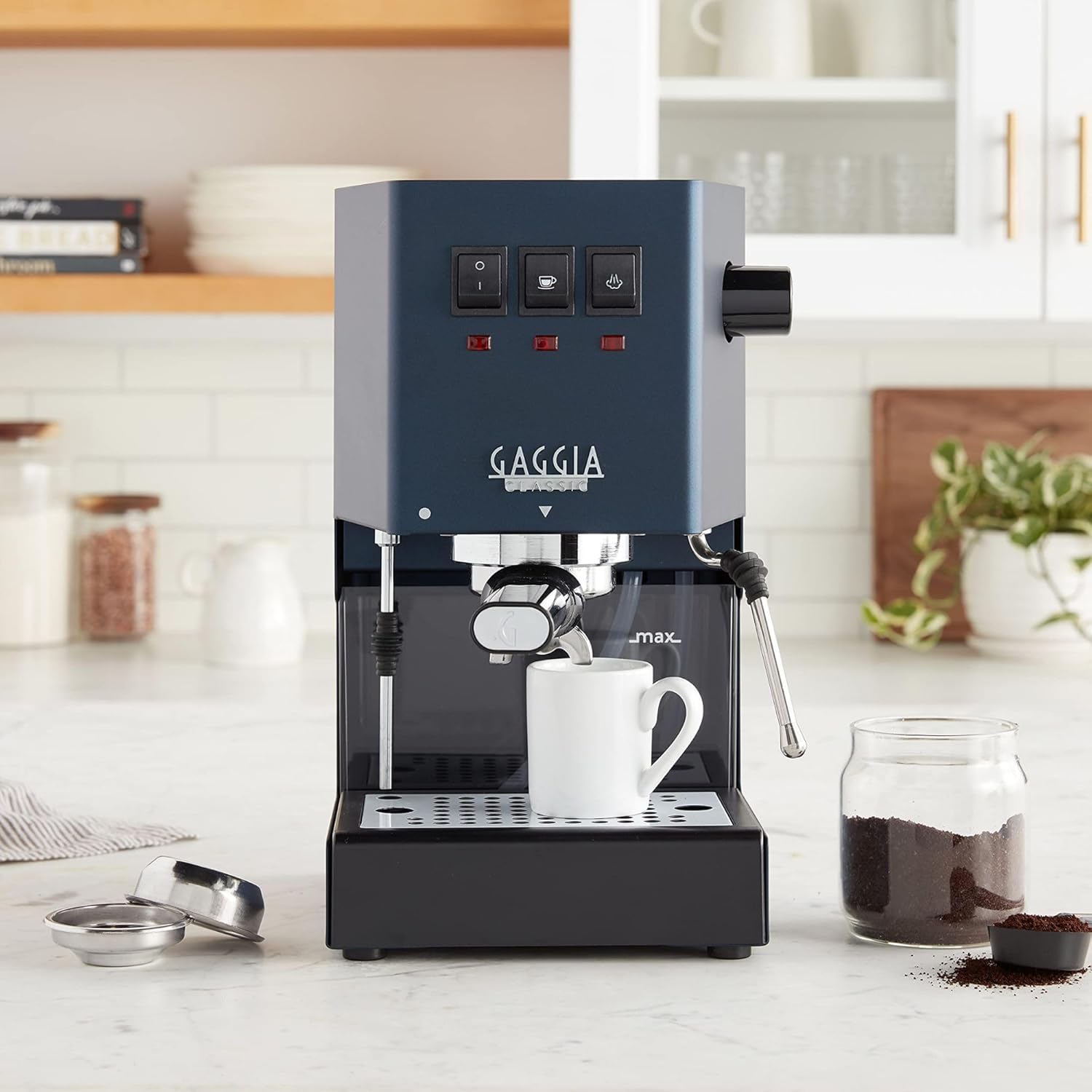
How to Use a Semi-Automatic Espresso Machine
Preparing Your Machine
Proper setup is crucial for consistent results. Start by priming the brass boiler based on the manufacturer’s instructions. Ensure the pressure settings are calibrated to the standard 9-bar extraction level. Preheating is also essential—let the boiler and group head warm up fully. A preheated brass group head should feel warm to the touch, not scalding.
Dialing In Your Grind
The grind size plays a huge role in espresso quality. A fine, consistent grind is essential for proper extraction. Pair your machine with a good burr grinder to adjust the grind to your liking. Aim for a texture similar to fine sand. Early on, I made the rookie mistake of using pre-ground coffee meant for drip machines—my shots were weak and watery. Trust me, a quality grinder is a solid pick.
Pulling a Shot
Evenly tamp the coffee grounds in the portafilter with consistent pressure to avoid uneven extractions. Lock the portafilter into the group head and start the extraction. Watch for a steady, honey-like stream of espresso—it’s a sign you’ve nailed it. Once the shot is done, the three-way solenoid valve will release pressure, making cleanup easier. The aroma that fills the room as the espresso pours is a reward in itself.
Steaming Milk
For milk-based drinks, the steam wand is your best friend. Submerge the wand just below the milk’s surface and gradually lower it to create microfoam. Keep an eye on the temperature—overheating can ruin the milk’s texture. The gentle hiss of steaming milk is oddly satisfying, but don’t submerge the wand too deeply, or you’ll end up with large, unappealing bubbles. I learned that the hard way during my first attempt.
Tip: Aim for a milk temperature between 140–160°F. If you’re new to steaming, use a thermometer until you get the hang of it. When the milk jug feels hot but not too hot to hold, you’re in the sweet spot.
Maintenance: Keeping Your Espresso Machine in Top Shape
Daily Maintenance
- Wipe the brass group head to remove coffee residue and oils.
- Clean the steam wand immediately after use to prevent milk buildup.
- Empty the drip tray regularly to maintain hygiene.
Weekly and Monthly Maintenance
Descale the machine periodically to remove mineral deposits from the boiler. Inspect seals and solenoid valves for wear, and clean the exterior to keep it looking sharp. I once skipped descaling for months, and the buildup affected the boiler’s performance. Don’t make that mistake—stick to a schedule and use filtered water to reduce deposits.
Long-Term Care
If you won’t be using the machine for a while, store it in a dry place. For issues like inconsistent pressure, check the boiler and valve connections. Regular maintenance ensures your machine stays reliable for years. My own machine is several years old and still works like a charm, thanks to consistent care.
Expert Tips for Using Semi-Automatic Espresso Machines
Temperature Management
Stable brewing temperatures are key to great espresso. While brass boilers help retain heat, preheating your machine and cups can make a noticeable difference. I like to keep a small cup on the group head to warm it up—it’s a simple trick that works wonders.
Extraction Mastery
Experiment with grind size, tamping pressure, and shot timing to fine-tune your espresso’s flavor. A good starting point is a 1:2 coffee-to-water ratio (e.g., 18g of coffee for a 36g shot). From there, adjust to suit your taste.
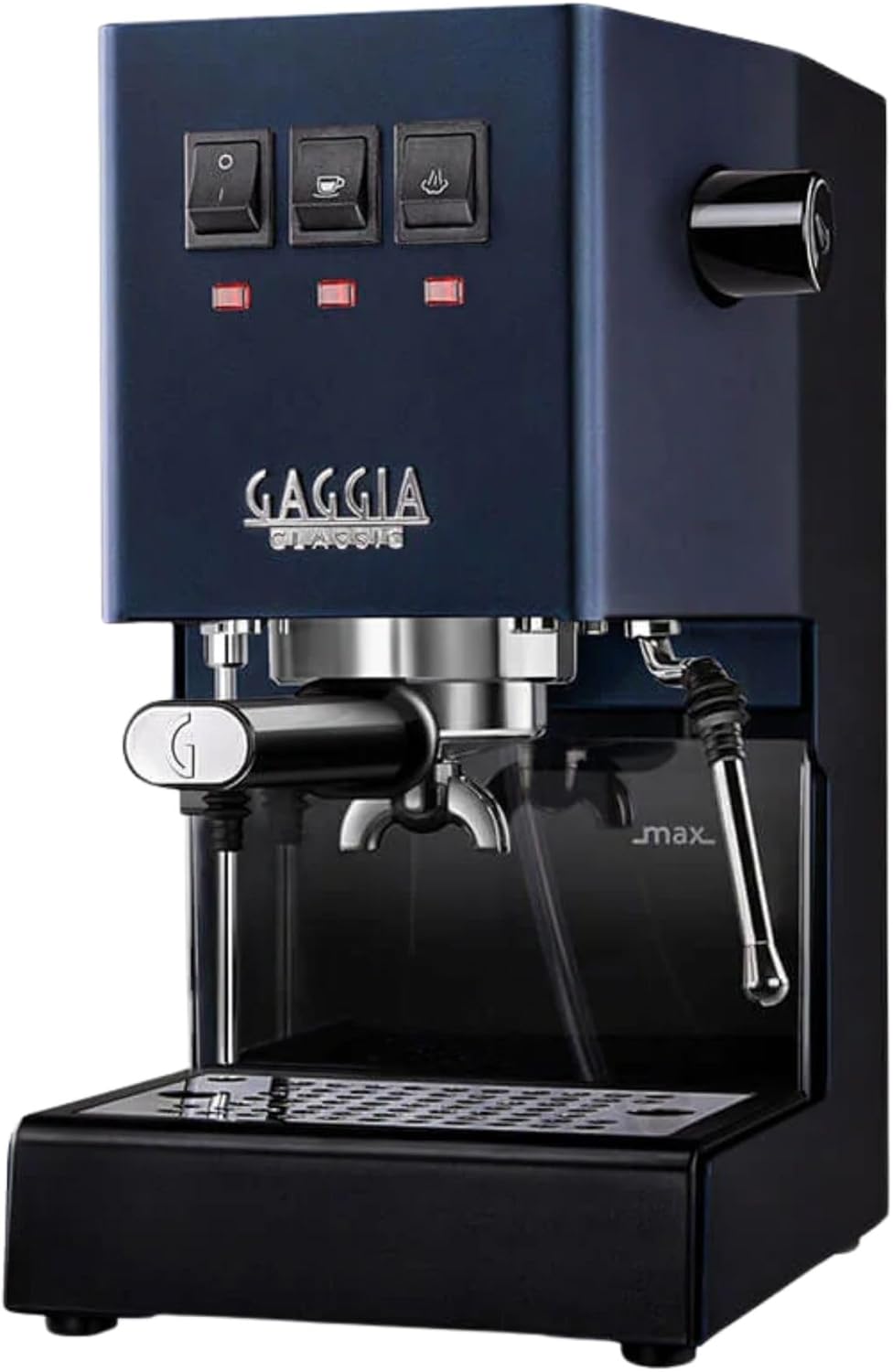
Steam Wand Pro Tips
To create silky microfoam, position the wand at an angle to create a whirlpool effect. You’ll hear a rhythmic chirping sound when you’re steaming correctly. It takes practice, but once you get it, your latte art will look (and taste) amazing.
Compact Machine Optimization
Keep your setup organized by storing accessories nearby and streamlining your workflow. With a compact machine, every inch of space counts, so plan accordingly.
Common Mistakes to Avoid
- Improper Grinding: Using the wrong grind size leads to poor extractions and unbalanced flavors.
- Skipping Maintenance: Neglecting cleaning routines can clog valves and damage essential components.
- Overheating Milk: Scalded milk loses its creamy texture and sweet flavor.
- Ignoring Space Constraints: Failing to optimize small setups can make your workflow inefficient.
Practical Scenarios: Making the Most of Your Espresso Machine
Morning Espresso Routine
Start your day with a quick, flavorful shot. Preheat the machine, grind fresh coffee, and pull your espresso in just a few minutes. That rich aroma is the perfect way to wake up.
Hosting Guests
Use the steam wand to whip up multiple milk-based drinks with ease. With a little practice, you’ll impress your guests with lattes and cappuccinos that rival their favorite café.
Experimenting with Recipes
Try your hand at different drinks like macchiatos, cortados, or even iced espresso. Adjust the grind size and extraction time to suit each recipe and discover new flavors.